When I asked Arafat what he remembered most about arriving in America, I expected him to tell me about the airplane. Or the airport. Or perhaps the long journey that had carried his family halfway around the world.
Instead, he smiled.
His family had spent their first few days in America living in a hotel while they waited to move into their apartment. On moving day, they climbed into the car for the final leg of their journey—to Cedar Point Apartments in Raleigh. As they pulled in, ten-year-old Arafat looked out the window and saw children everywhere.
Children raced bicycles through the parking lot, chased one another between apartment buildings, and kicked soccer balls across patches of grass. Parents lingered outside talking while younger children darted from one playground to another. Conversations drifted through the air in languages from all over the world.
“I’d never seen anything like that before,” Arafat said.
The memory has stayed with him all these years.
Not the flight. Not the hotel. Not even the relief of finally arriving.
He remembers the children.
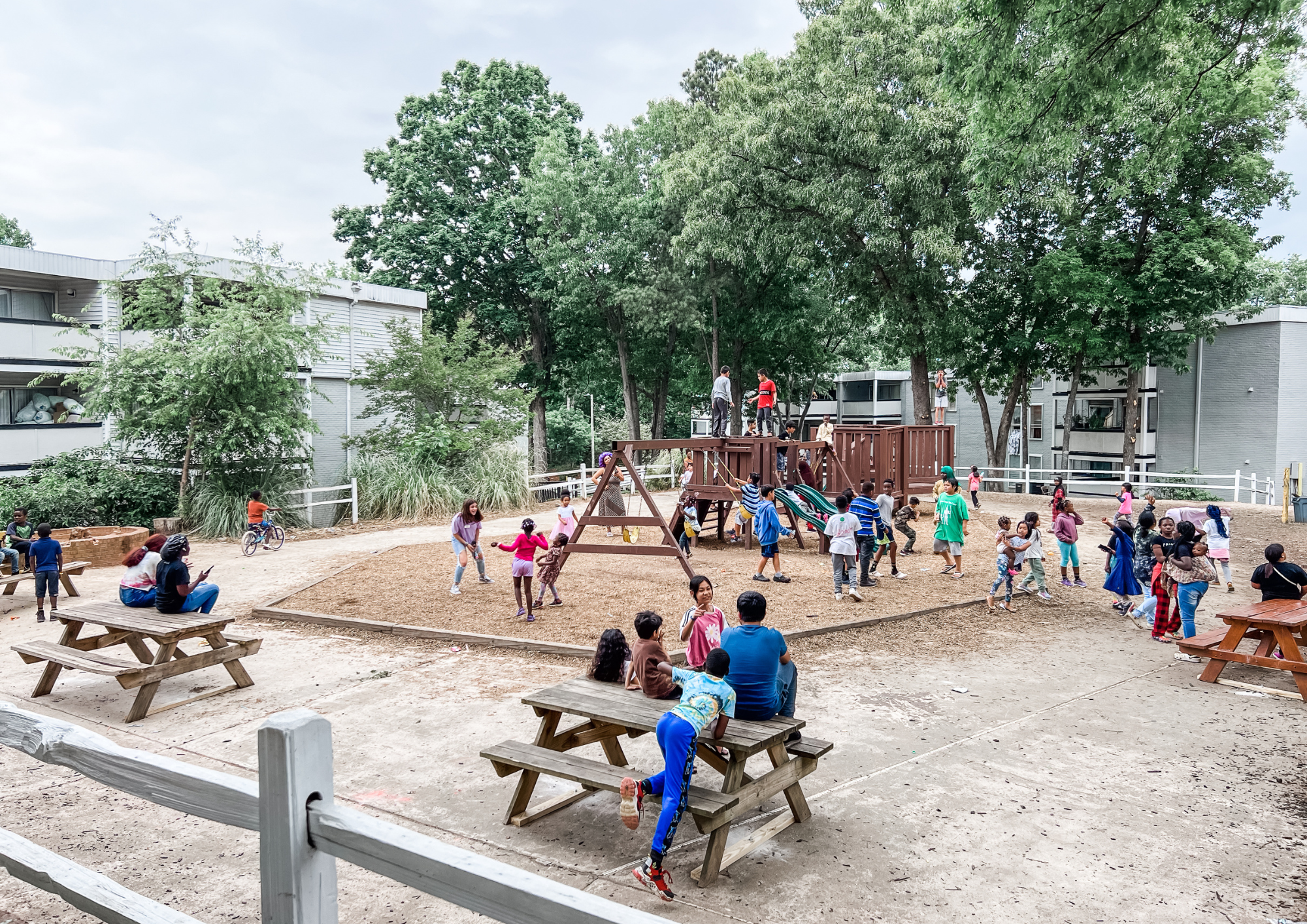
At first, I thought Arafat was merely describing the neighborhood. But the more we talked, the more I realized he was describing something deeper. For a boy whose childhood had been shaped by displacement and uncertainty, Cedar Point offered a glimpse of something he had never known before: a community that felt alive.
Arafat couldn’t have known it then, but volunteers and church partners had already been investing in this community for years. Relationships were forming. Trust was growing. Children were gathering after school. Families were building new lives together. Those early efforts at Cedar Point Apartments grew into what we now know as Refugee Hope Partners.
Perhaps what Arafat saw that afternoon was not just a neighborhood full of children. Perhaps he was seeing years of quiet faithfulness already at work.
A community had been taking shape long before his family arrived, and it was ready to make room for him, too.
To understand why that moment mattered so much, we have to begin thousands of miles away, in western Myanmar.
Arafat was born in Myanmar’s Rakhine State, where his family belonged to the Rohingya people, one of the world’s most persecuted ethnic minorities.
When Arafat was still a baby, his father made the difficult decision to travel alone to Malaysia in search of work. Like many Rohingya fathers, he hoped to earn enough to support his family and eventually create a safer future for them.
For the next four years, Arafat grew up without his father. His mother raised him with the help of his paternal grandmother and other family members. Their fierce love and protection became the foundation of his early childhood.
Arafat laughs when he describes himself as a curious little boy.
“I was always getting into trouble,” he said with a grin.
One afternoon, while playing with friends, he fell into a deep hole and badly broke his arm. There was no doctor nearby, and even if there had been, his family could not afford one. His grandmother carried him to a neighbor who carefully massaged the broken bone back into place while Arafat cried through the pain.
When they returned home, she wrapped a single strand of her own hair around his injured arm. Arafat was curious about why she did it, but he never asked. What he remembers is the tenderness of the moment and the love it communicated.
Even in a place where uncertainty shaped daily life, Arafat’s earliest memories were defined not only by hardship, but also by the people who carried him through it.
As he grew older, life in Myanmar became increasingly dangerous. Military violence became more common. School was not available to children like Arafat, and medical care was nearly impossible to access.
Eventually, his mother reached a conclusion no parent ever wants to make.
They could no longer stay.
Using the money Arafat’s father had earned during years of separation, she gathered what little they owned and began the dangerous journey to reunite with him in Malaysia.
Arafat was only four years old.
He does not remember every border they crossed or every road they traveled, but he remembers enough.
Walking. Waiting. Hiding. Trusting strangers.
When I asked Arafat about that journey, I expected him to describe the danger. Instead, he talked about his mother. There is a tenderness in his voice when he speaks about her that is difficult to miss.
“I could never repay her,” he told me quietly
Every mile she walked and every risk she accepted reflected her belief that her son deserved a different future.
When they finally reached Malaysia, Arafat saw his father for the first time in four years. At last, their family was together.
Arafat also experienced something that had not been possible for him in Myanmar – he attended school for the first time. He discovered that he enjoyed learning, even when school did not come easily.
Although life in Malaysia was more stable, living in uncertainty meant his family had few protections and limited access to education, medical care, or a secure future.
Because of this instability and lack of hope for a safe future, Arafat’s family was able to enter the United Nations refugee resettlement process through UNHCR. After interviews, paperwork, and months of uncertainty, they received the news they had been waiting for: they had been approved to move to the United States.
Raleigh, North Carolina would soon become their new home.
They had no way of knowing that a single apartment complex, filled with children playing outside and a strong community, would become the place where a little boy who had spent his life searching for connection would finally begin to discover what belonging truly felt like.
When Arafat arrived in Raleigh at the age of ten, school was still relatively unfamiliar to him. Before then, he had never been given homework.
Not long after arriving, Arafat noticed that many of the students at Cedar Point went to Homework Help after school. Every afternoon, children gathered at the community center while volunteers sat beside them, practiced reading, worked through assignments, and spent time with them.
Arafat does not remember being “invited,” one day, he simply followed the other children inside.
“It felt welcoming,” Arafat said. “It felt like you were wanted there.”
According to the students, Homework Help was the place to be. Volunteers and staff gave students one-on-one time that they did not often receive during a busy school day. They celebrated reading milestones, handed out stickers, played games, listened to stories, and noticed when someone had not shown up that week.
Through people showing up consistently and sharing their time, Arafat received something he had rarely experienced before.
He was not just attending a program.
He was becoming known.
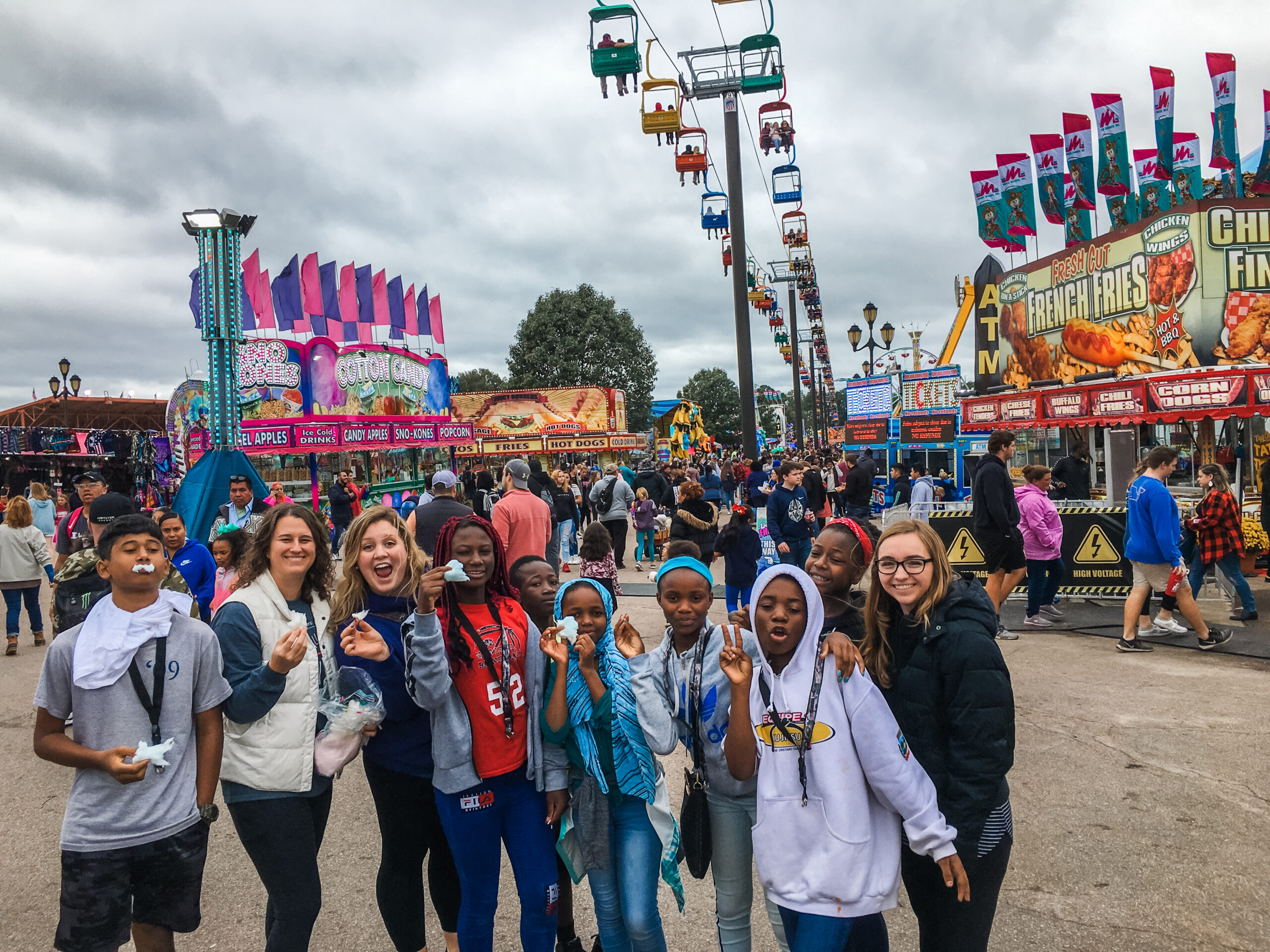
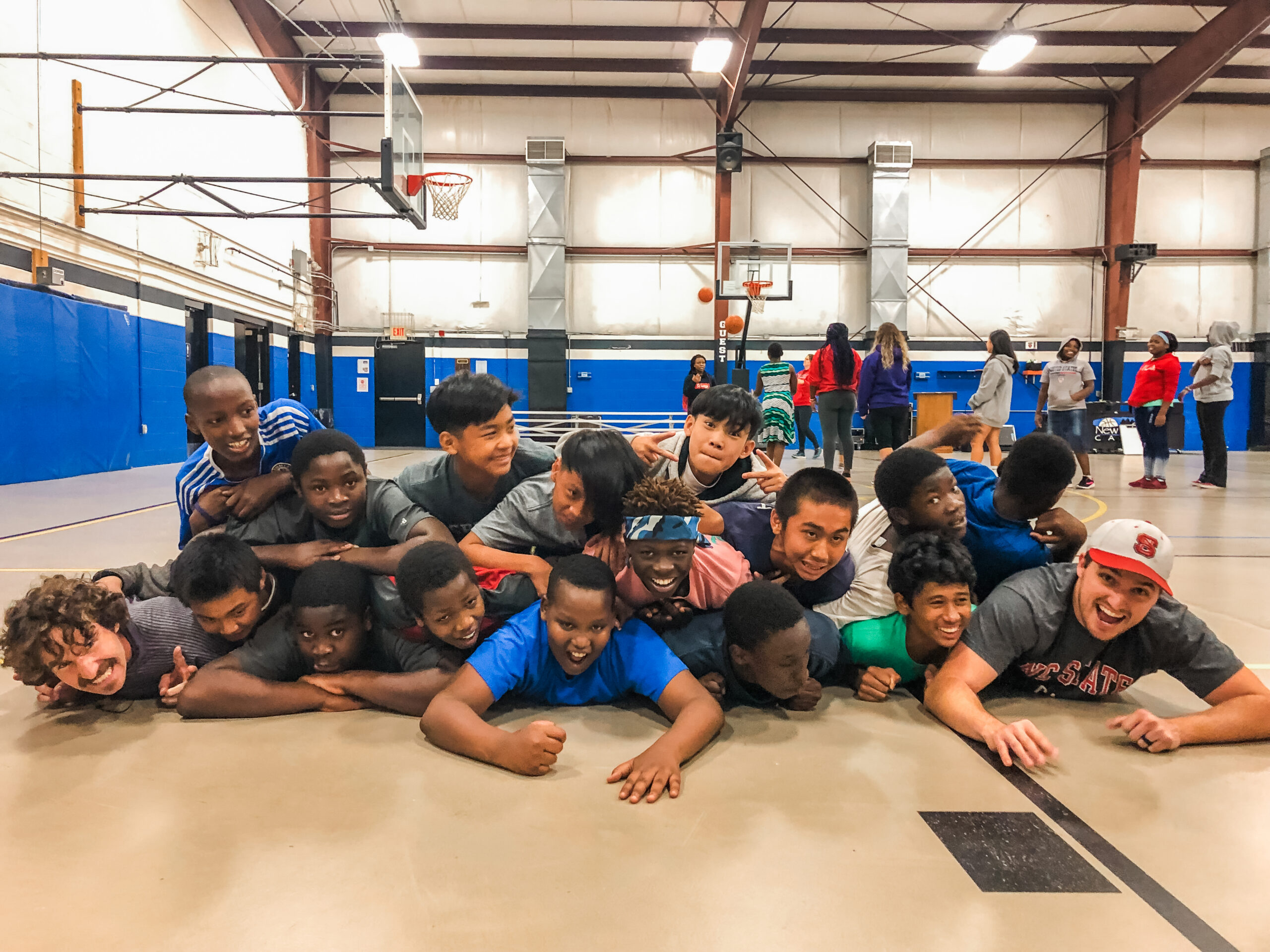
Each summer, Arafat’s community became a little larger. Through RHP, he attended New Life Camp, where he experienced swimming, sports, overnight camp, and friendships that extended beyond Cedar Point.
But when he talks about camp, he does not begin with the activities.
He remembers the children.
American students and refugee students played on the same teams, sat at the same tables, shared meals, and laughed together. By the end of the week, many of the differences that had once separated them seemed to matter less. They were simply kids.
Although New Life Camp openly shared the Christian faith, Arafat never thought that being welcomed depended on sharing the same beliefs.
“I never felt like I had to believe a certain thing to be wanted and welcomed there,” he said.
I have thought about that sentence often. It captures something essential about hospitality: the willingness to see a person before seeing a difference. Arafat was included because people saw him as someone worth knowing.
After years of living at Cedar Point, Arafat’s family purchased their first home and moved to another part of Raleigh.
For his parents, owning a home represented something they had worked toward for years. It was a milestone worth celebrating.
For Arafat, however, the move meant leaving behind the neighborhood where he had grown up and living farther from the relationships that had given him a sense of belonging. But those relationships didn’t end when his address changed.
Although he no longer lived at Cedar Point, his community remained the same.
Through RHP’s Bridge Program, Arafat stayed connected throughout high school. His mentor and RHP staff continued meeting with him, encouraging him, and helping him navigate the transition into adulthood.
RHP had the privilege of not only welcoming him as a fourth grader, but also continuing to walk beside him as he became a young man who got to decide who he wanted to become.
When I asked what had changed in him over the years, Arafat answered with a sentence that perfectly captures his outlook on life.
“I just want to be a little better every day.”
These words reflect someone who understands that real growth rarely happens all at once, but through choices made consistently over time—and through people who continue believing in you when you don’t always believe in yourself.
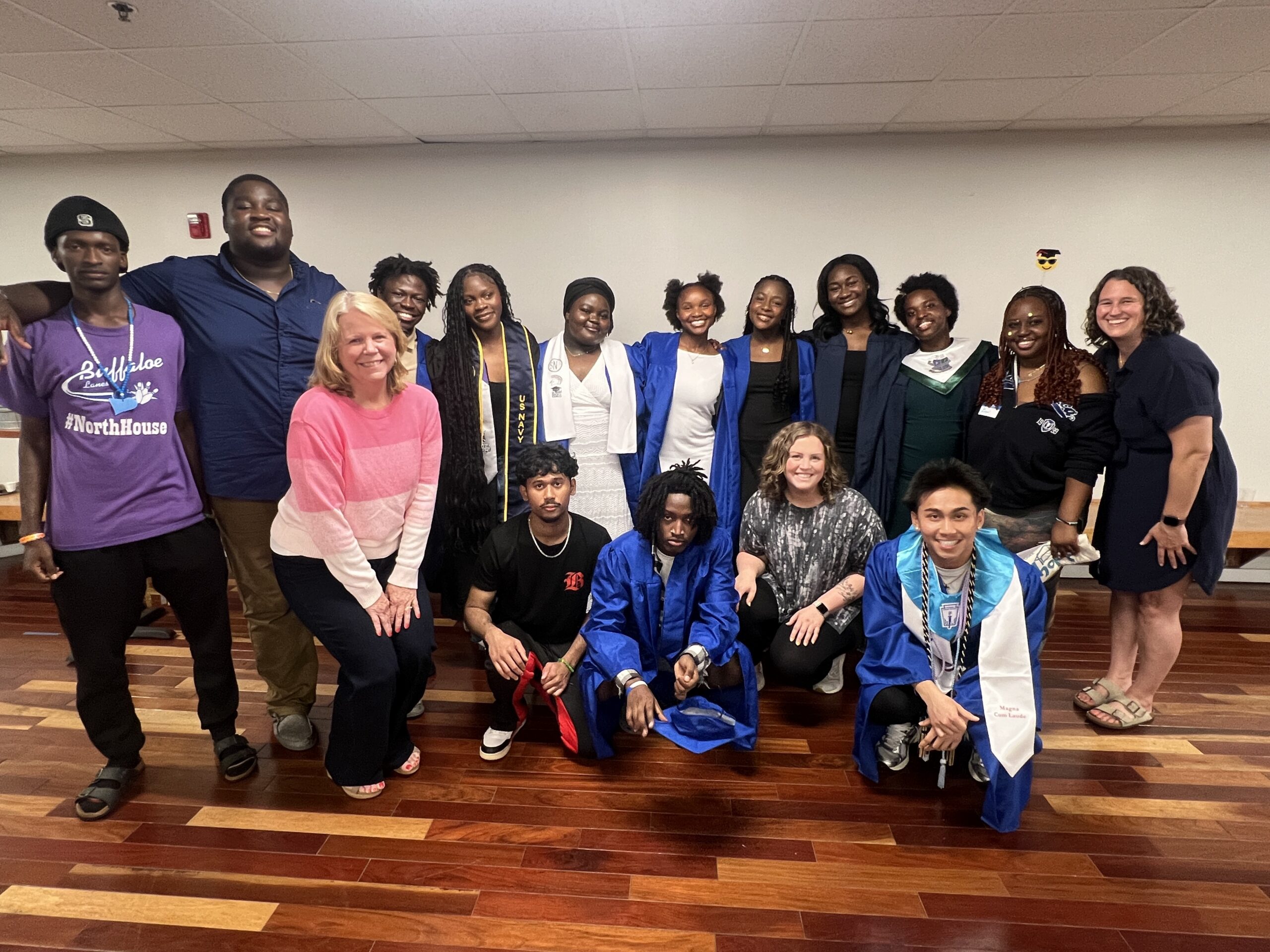
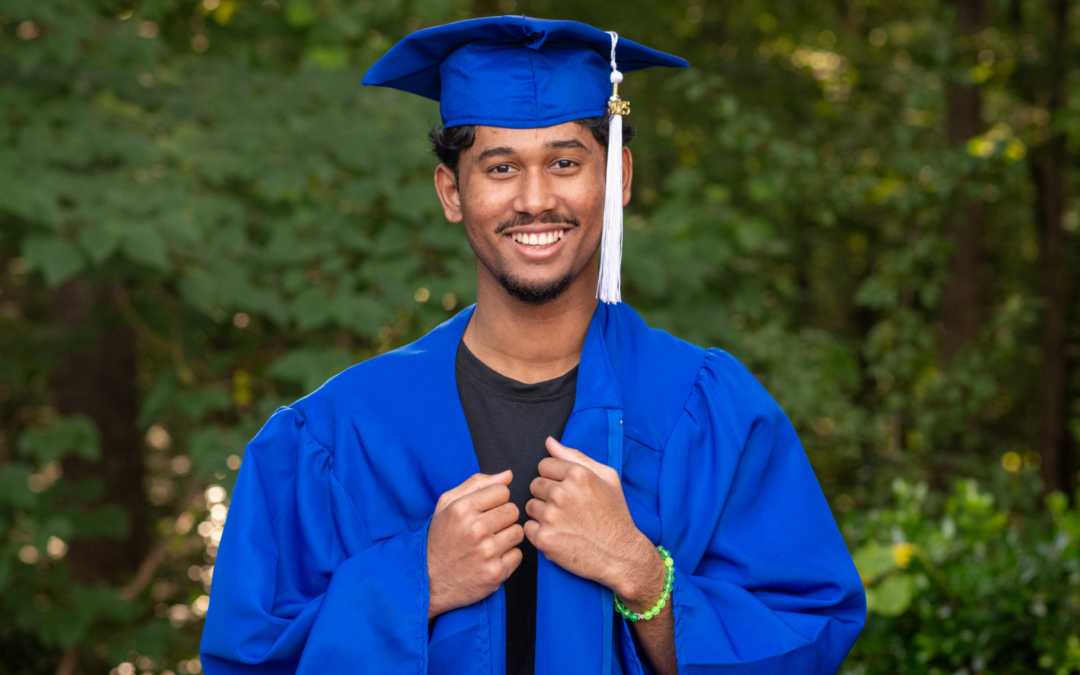
Last year, Arafat graduated from high school, an accomplishment he is genuinely proud of.
Crossing the graduation stage represented far more than earning a diploma. It marked another step in a journey that had begun years earlier in a small village in Myanmar.
Since graduating, Arafat has earned a certificate in BioWork Process Technician through Wake Tech, and has recently accepted a full time job.
Near the end of our conversation, I asked Arafat why he wanted to share his story. Without hesitation, he said he wants people to know what Refugee Hope Partners has meant in his life.
Throughout his story, Arafat kept returning to the people who shaped him into who he is today.
His father, who made the tough decision leaving him and his mother behind.
His mother, who courageously carried him across countries to reunite with his father.
His grandmother, whose fierce love gave him one of his earliest experiences of belonging.
The children, who he saw playing and experiencing community at Cedar Point.
The volunteers, who patiently sat beside him during Homework Help.
The camp counselors, who welcomed him into a community where he never felt like an outsider.
His mentor, who helped him imagine a future beyond high school.
The staff, who continued walking alongside him even after his family had moved away from Cedar Point.
His story always returned to relationships. Defined by the people who showed up, stayed, and invested in the person he became.
Seeing the young man he is today, I can’t help but picture the little boy arriving at Cedar Point for the first time, stepping out of the car and seeing all the children. It looked like the kind of community every child hopes to find.
Today, when I look across Cedar Point and see children running through those same sidewalks and courtyards, I think of Arafat.
I wonder which child standing quietly on the edge of the playground will become tomorrow’s mentor, nurse, teacher, business owner, or parent.
I wonder whose story is just beginning, because Arafat’s story reminds us that belonging isn’t created in a single moment.
It is built through years of faithful presence. Ordinary people saying yes again and again.
Little by little, Arafat said yes too. Yes to himself. Yes to his growth. Yes to his future.
Sometimes, changing a life begins with helping someone discover what Arafat eventually did:
This is a place where you are wanted. This is a place where you belong.